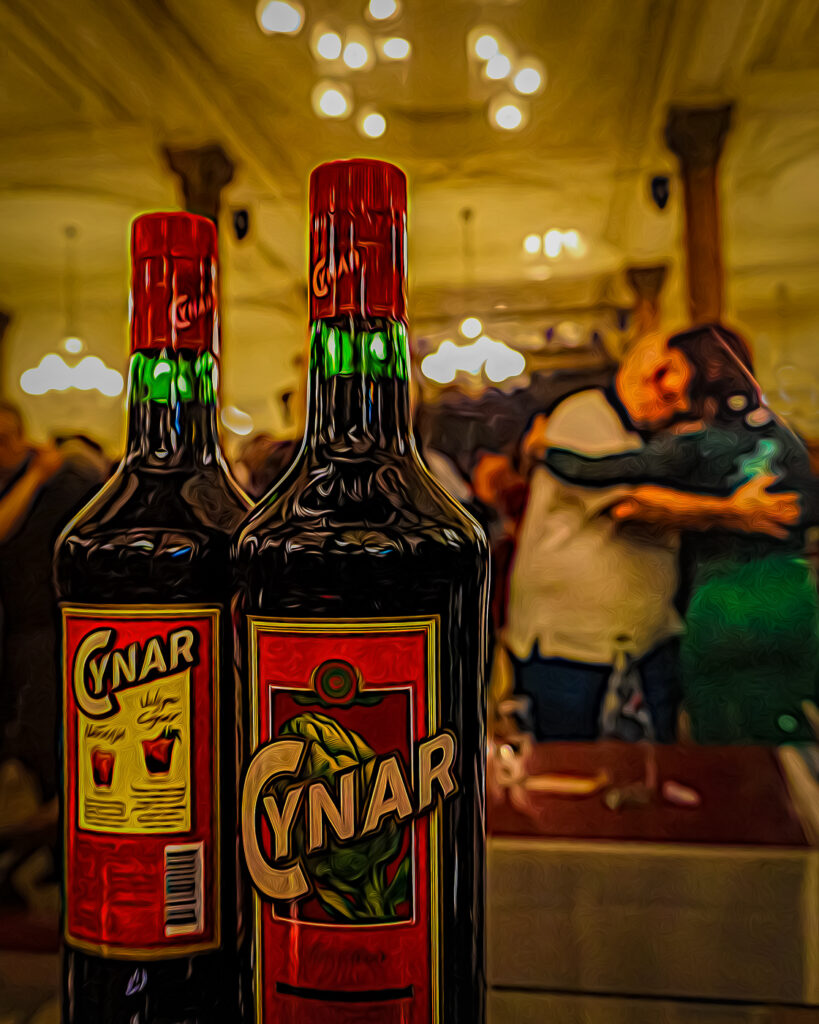
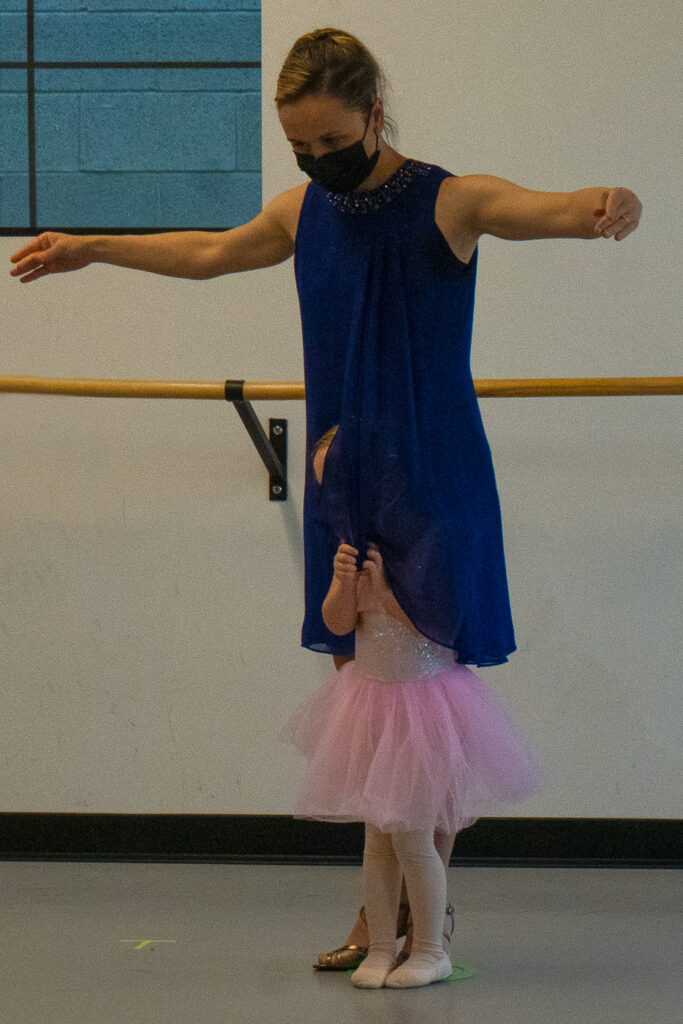
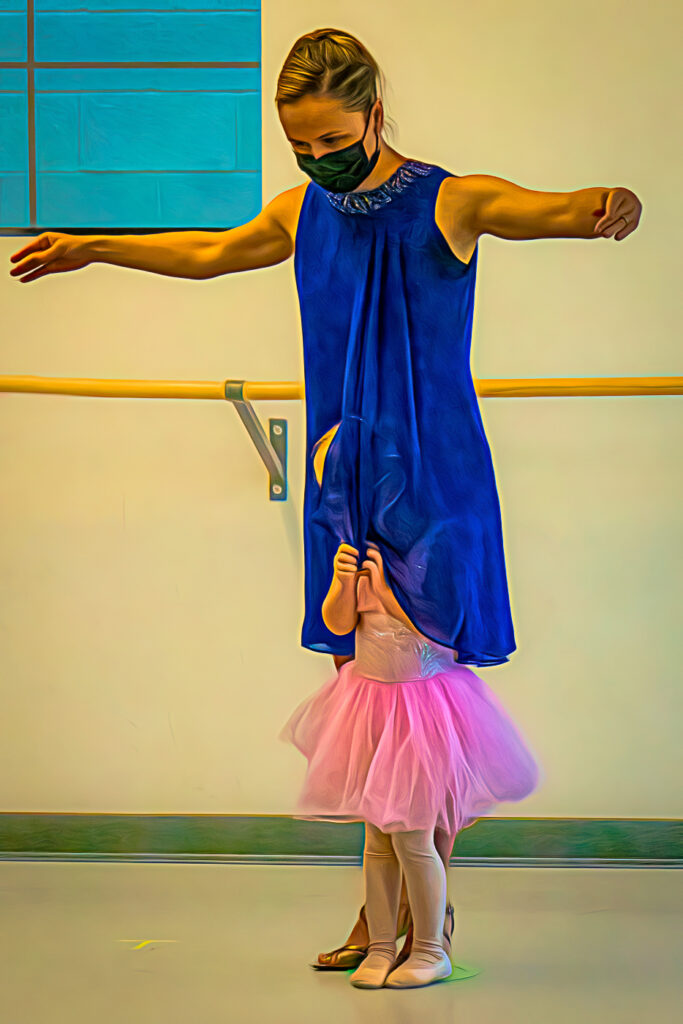
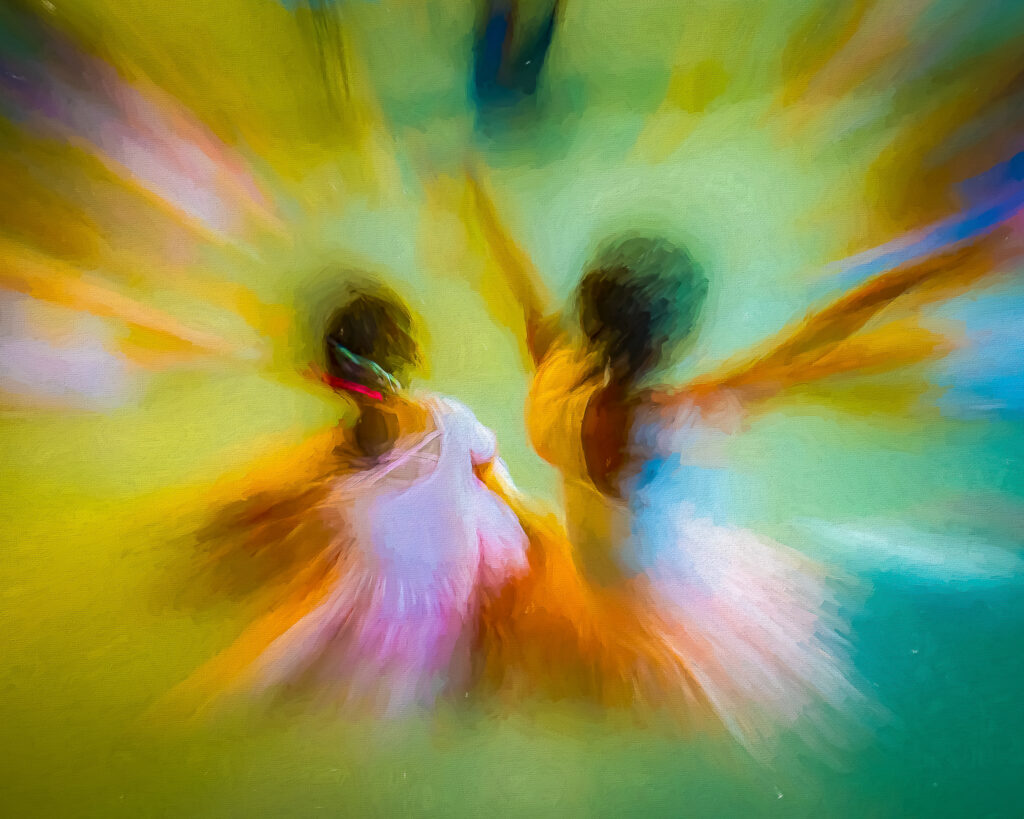
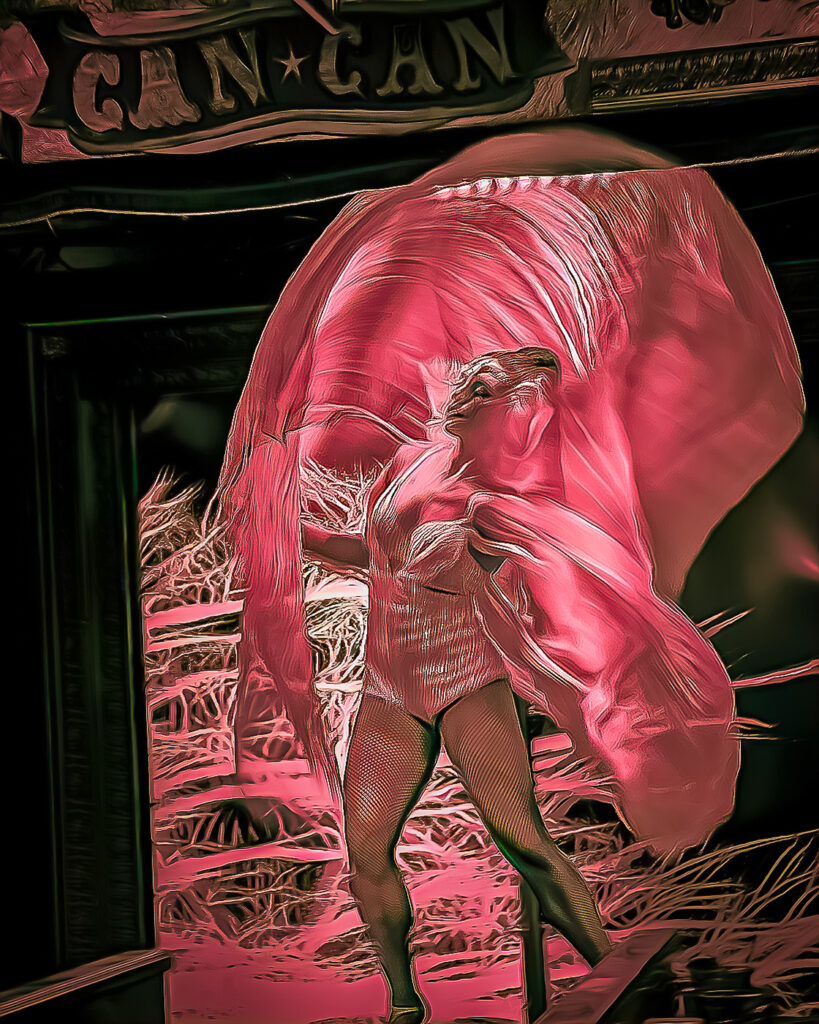
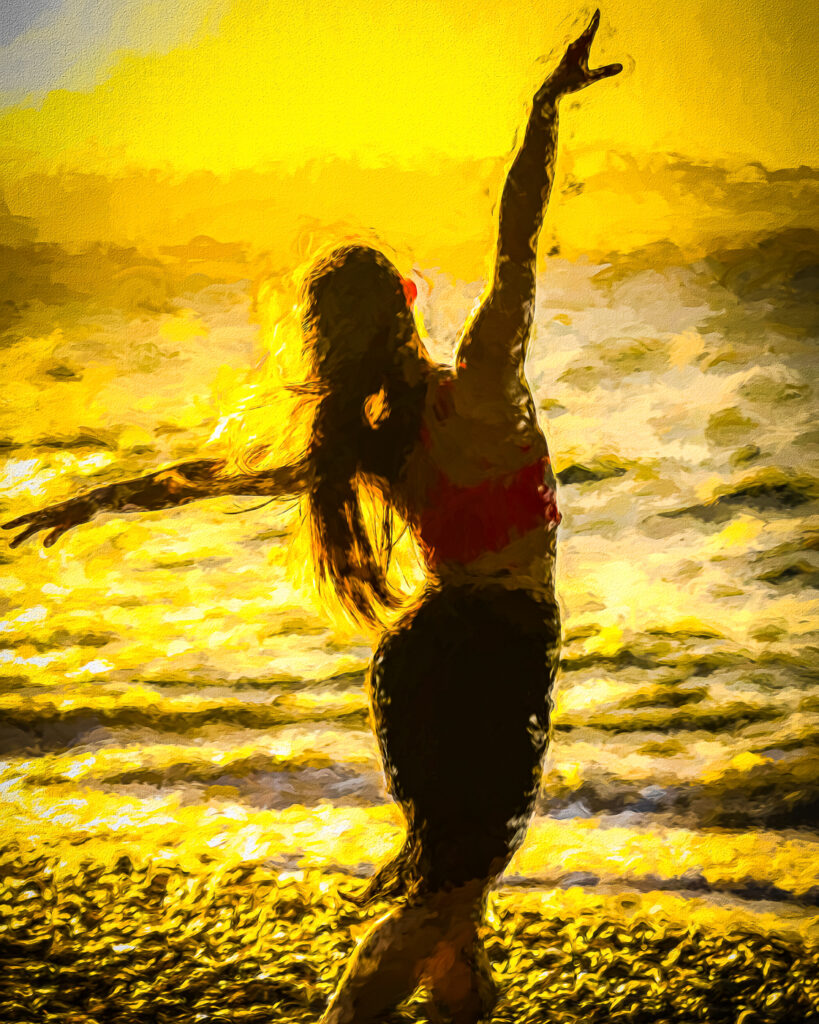
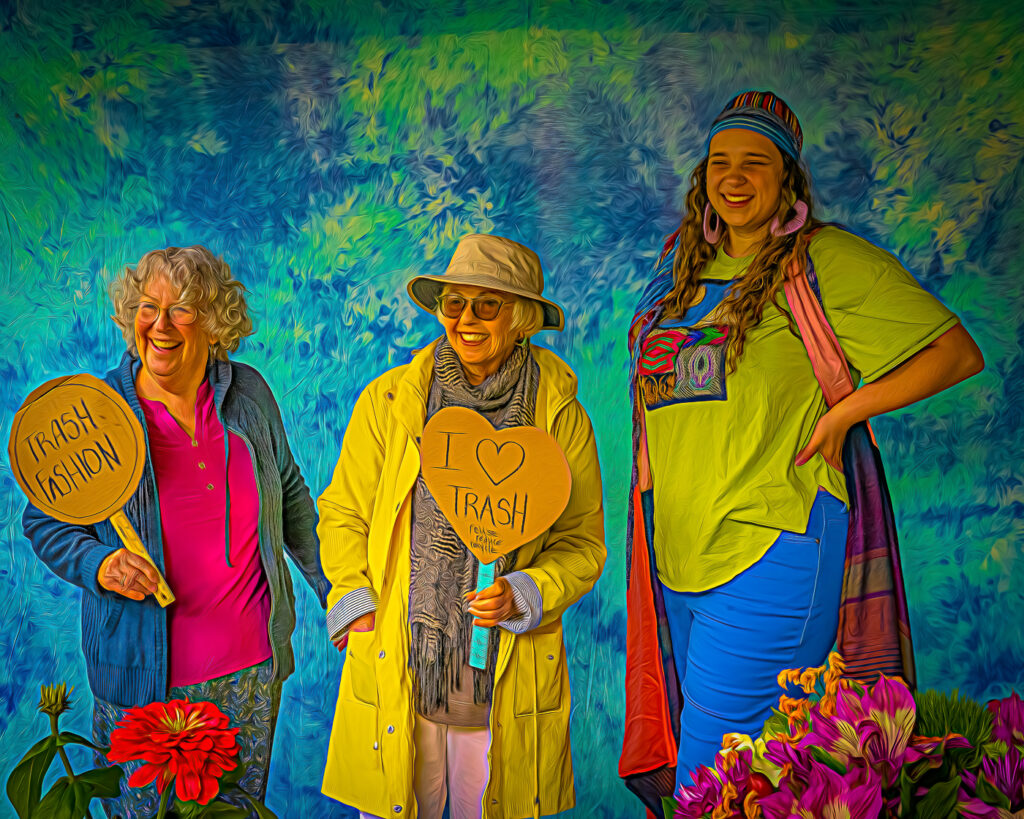
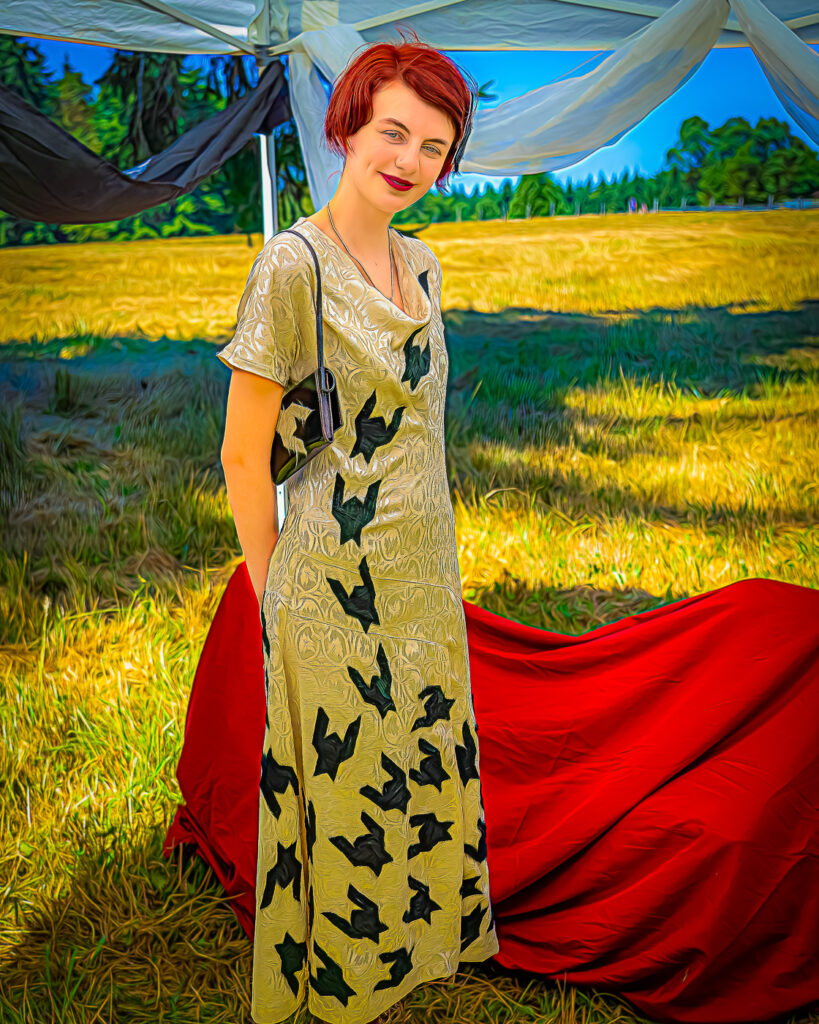
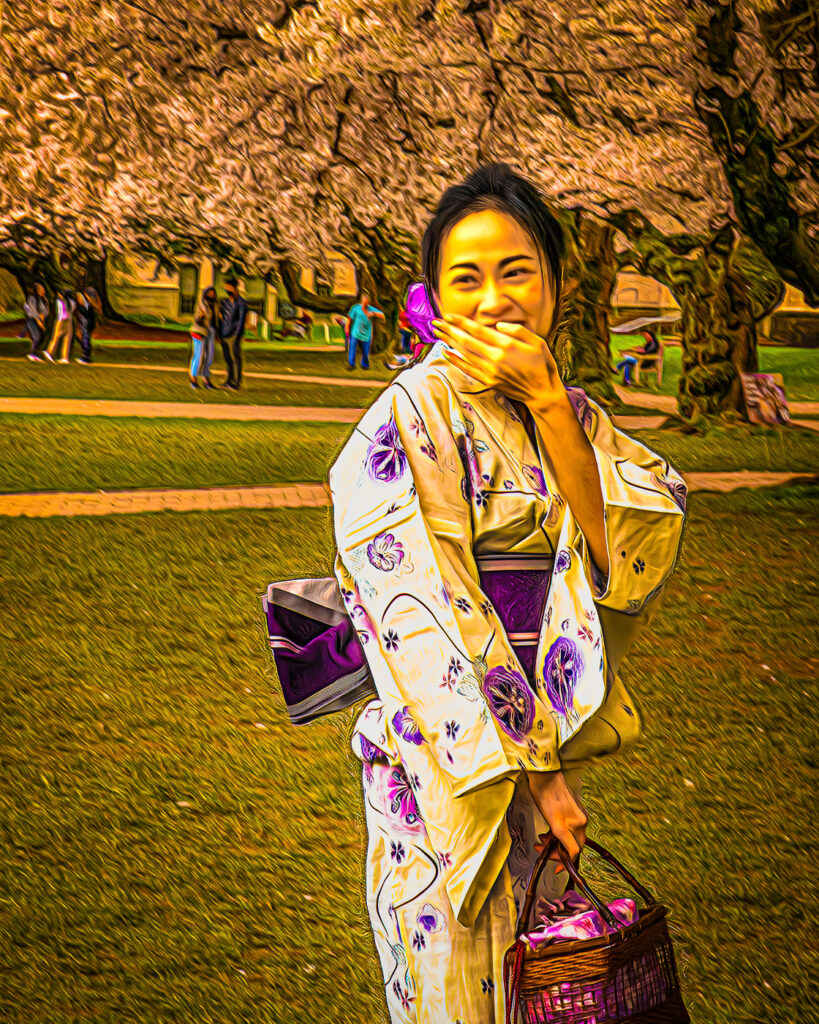
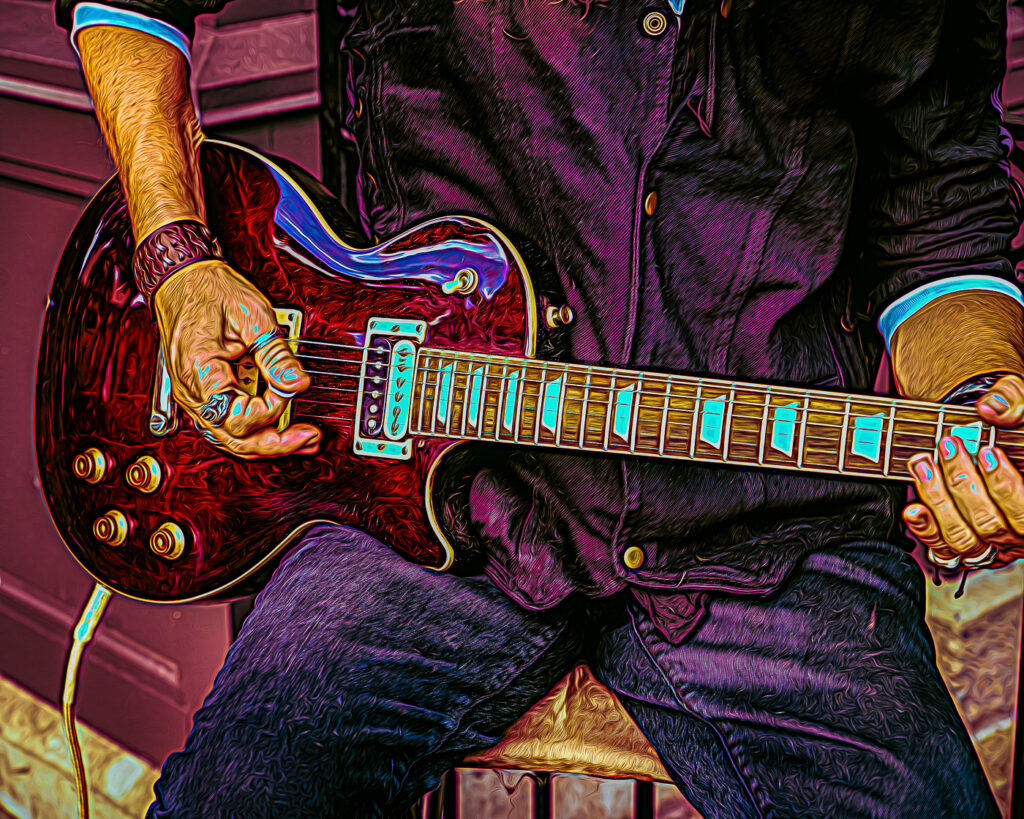
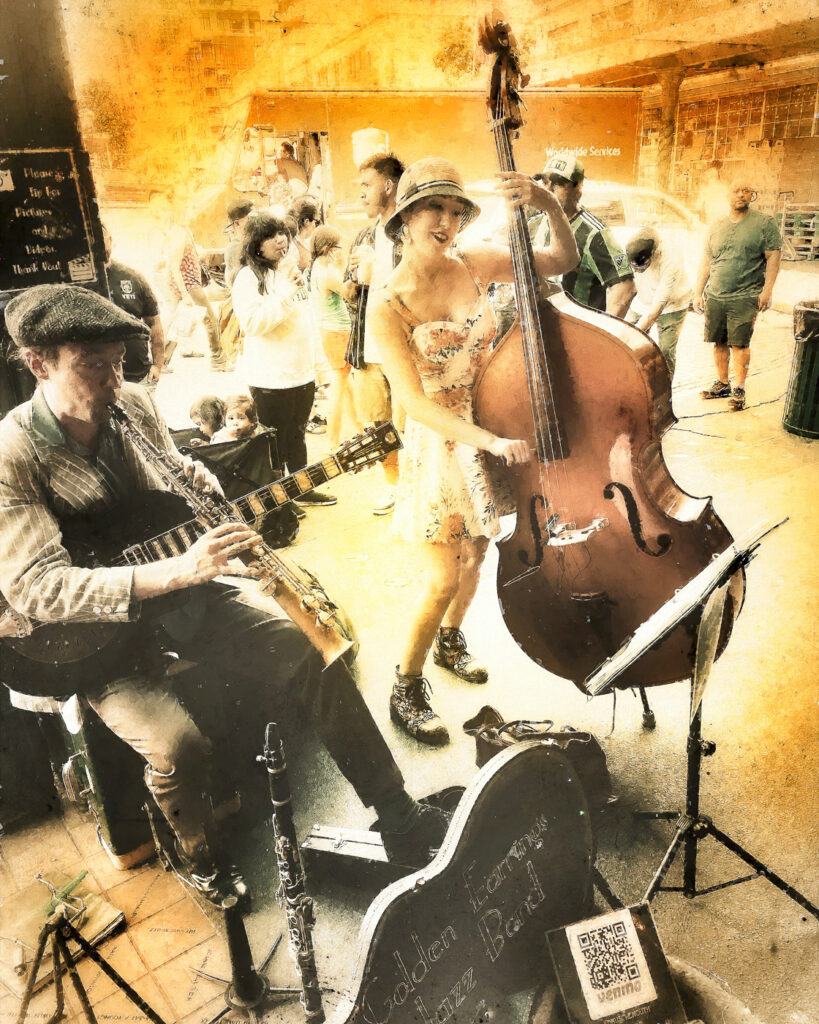
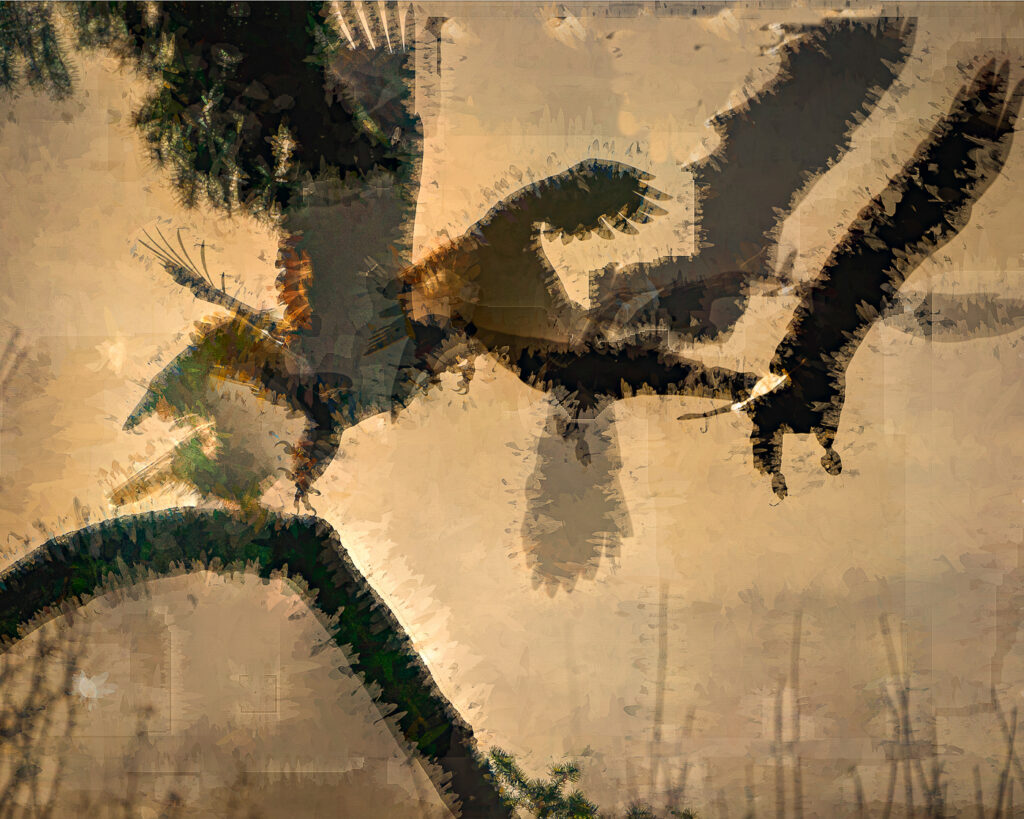
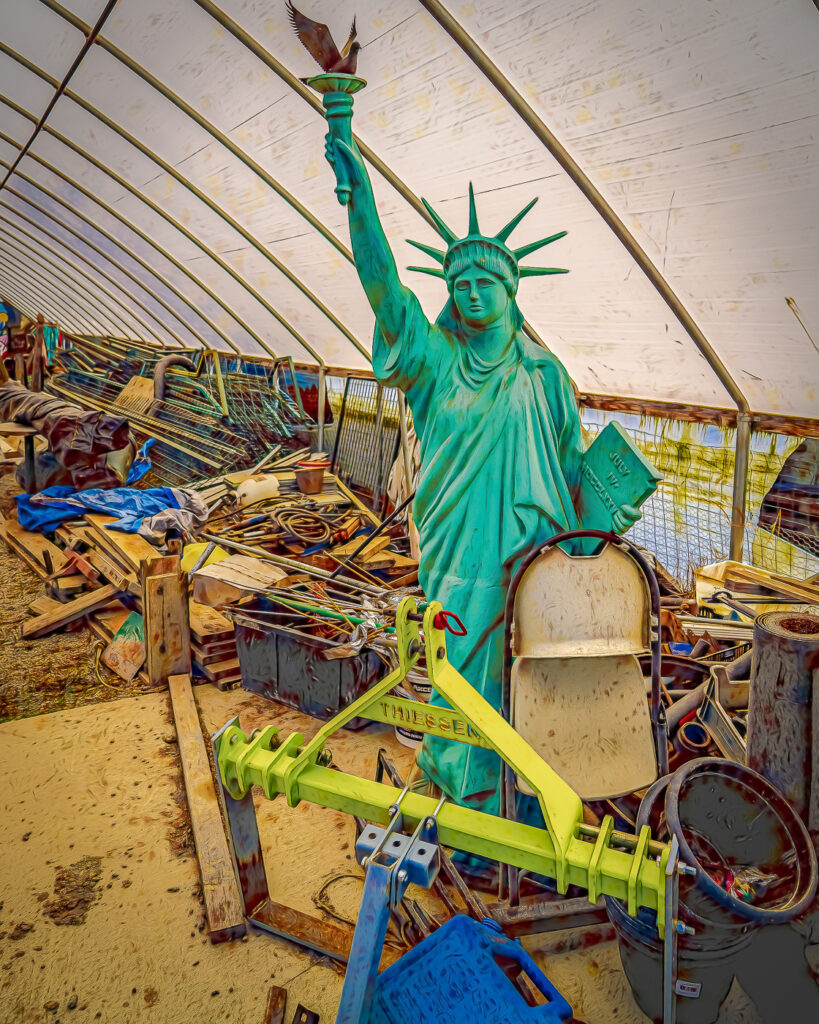
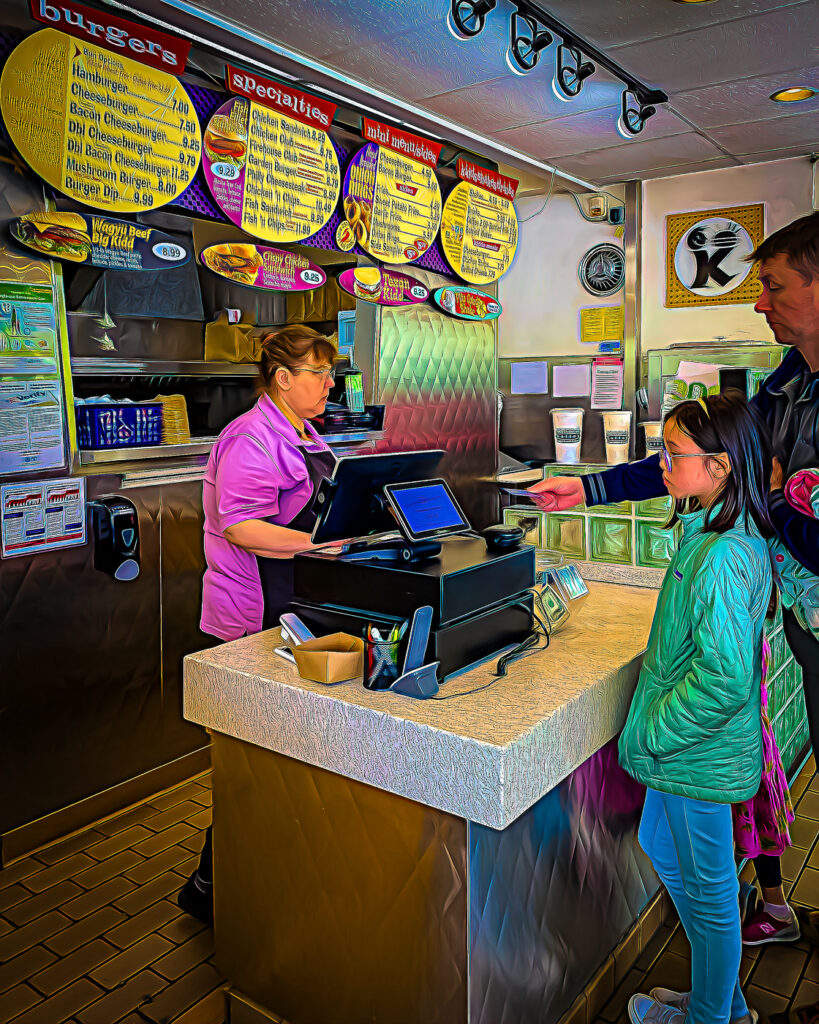
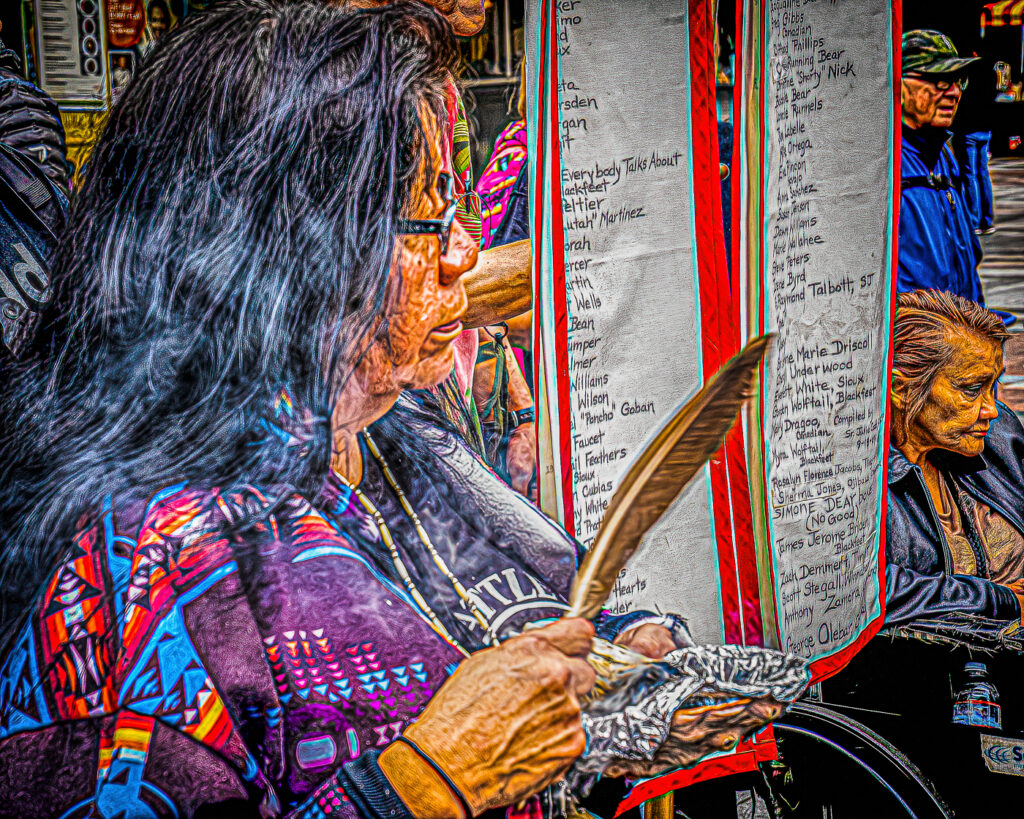
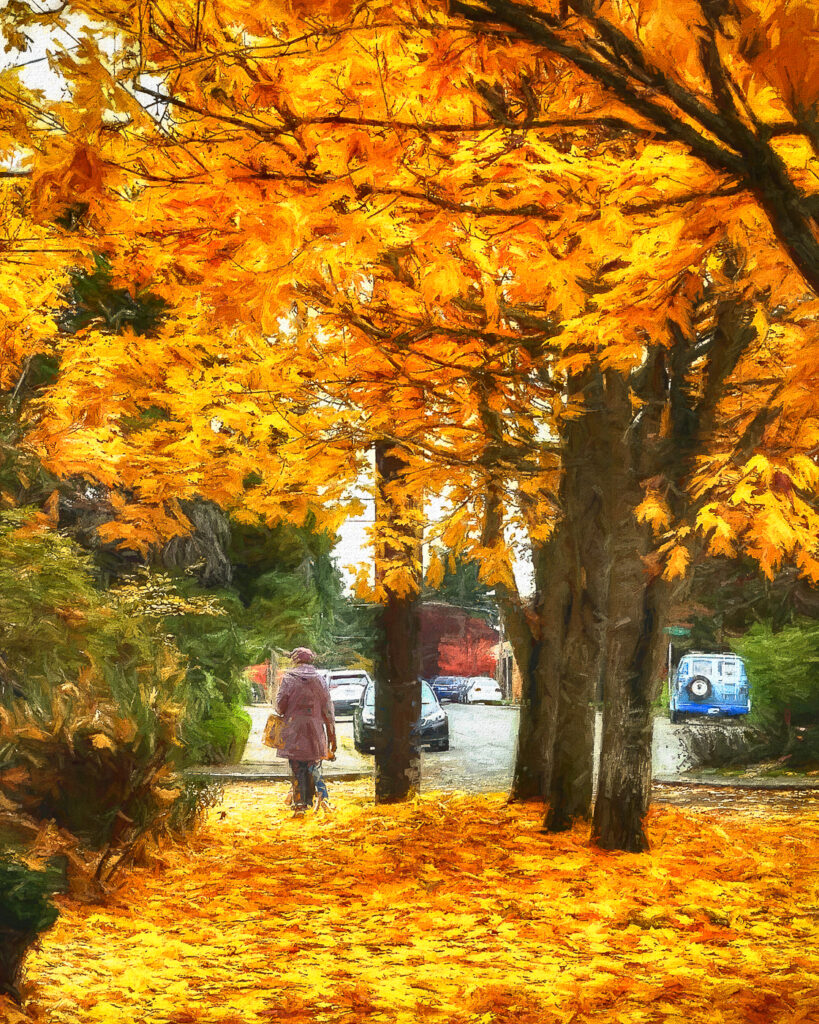
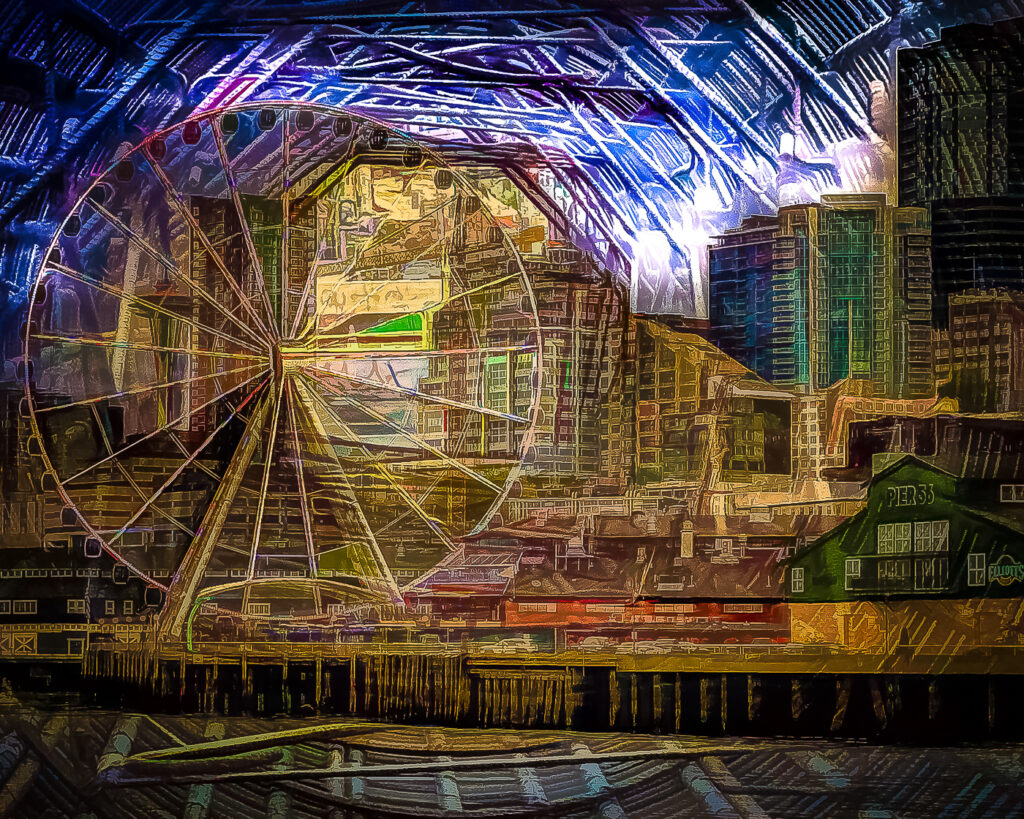
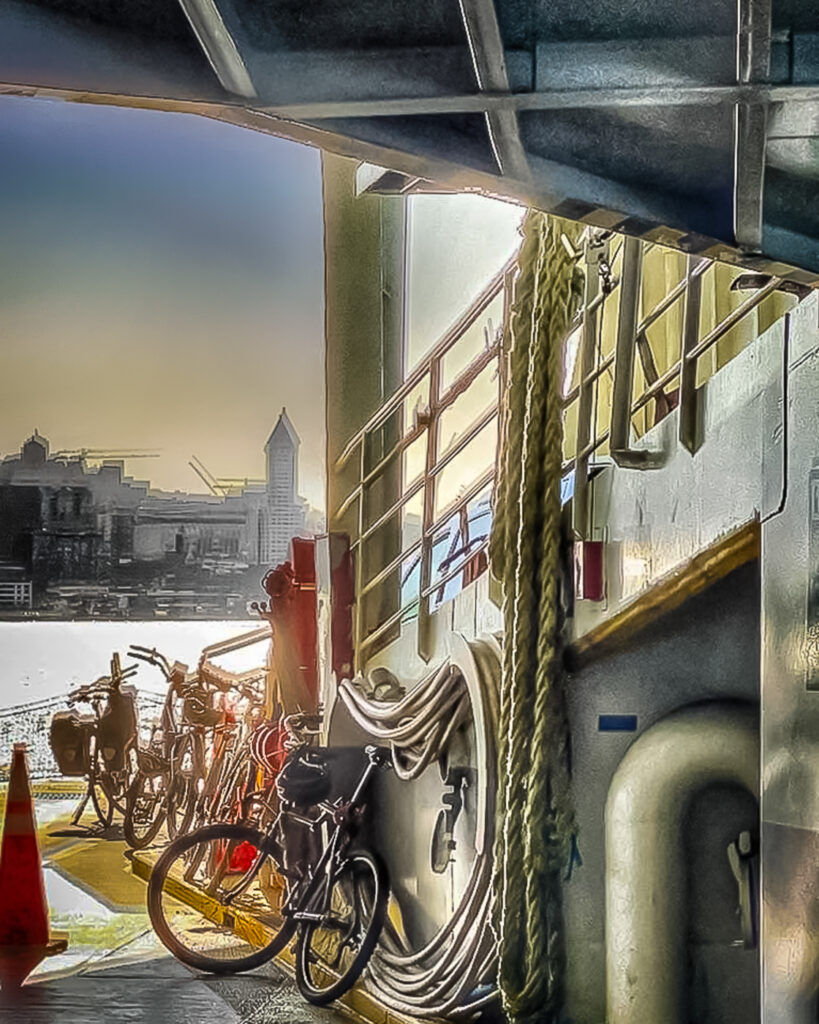
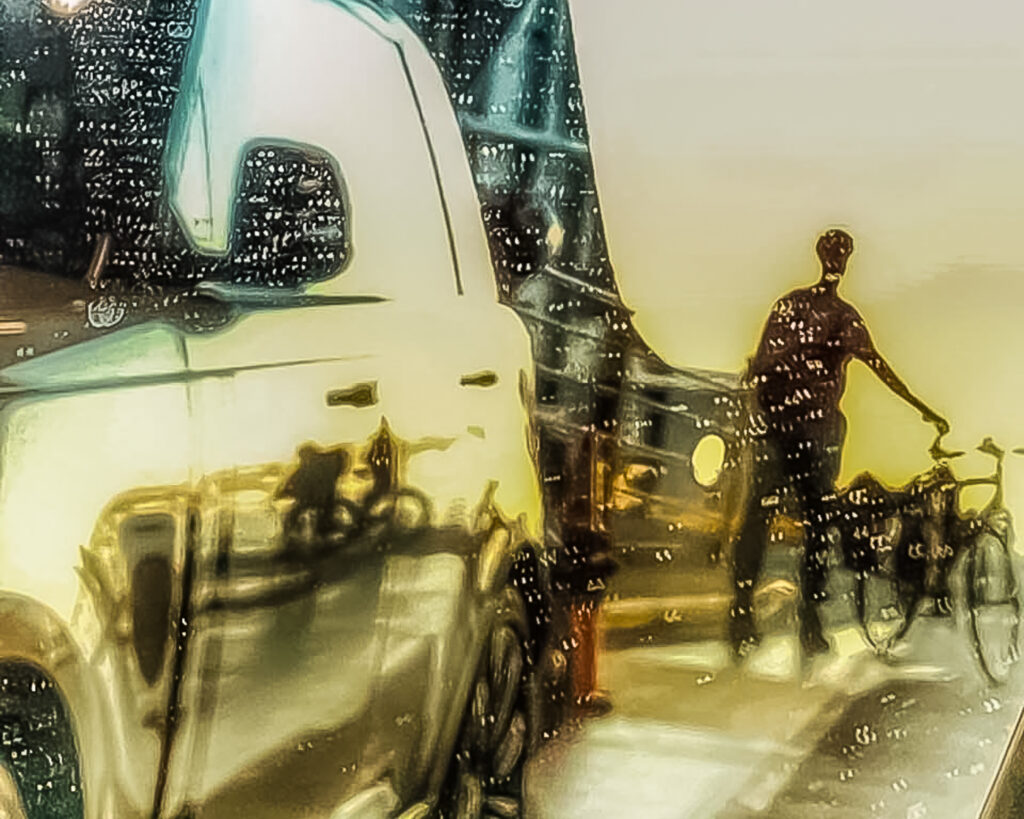
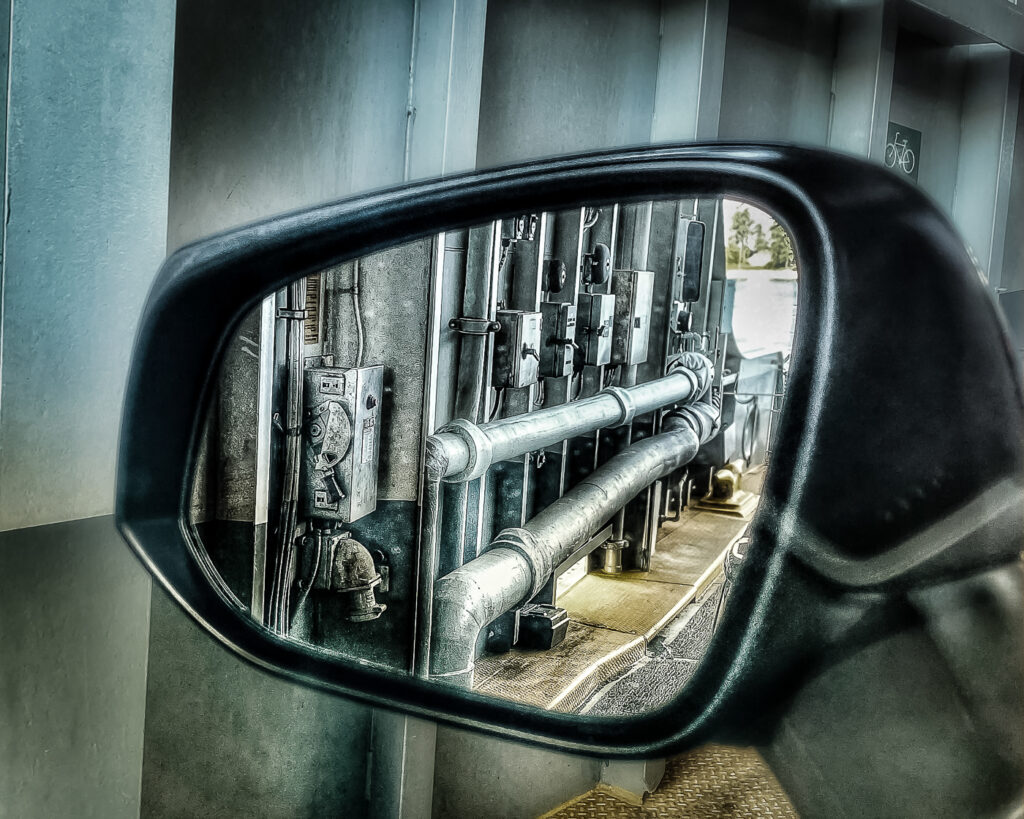
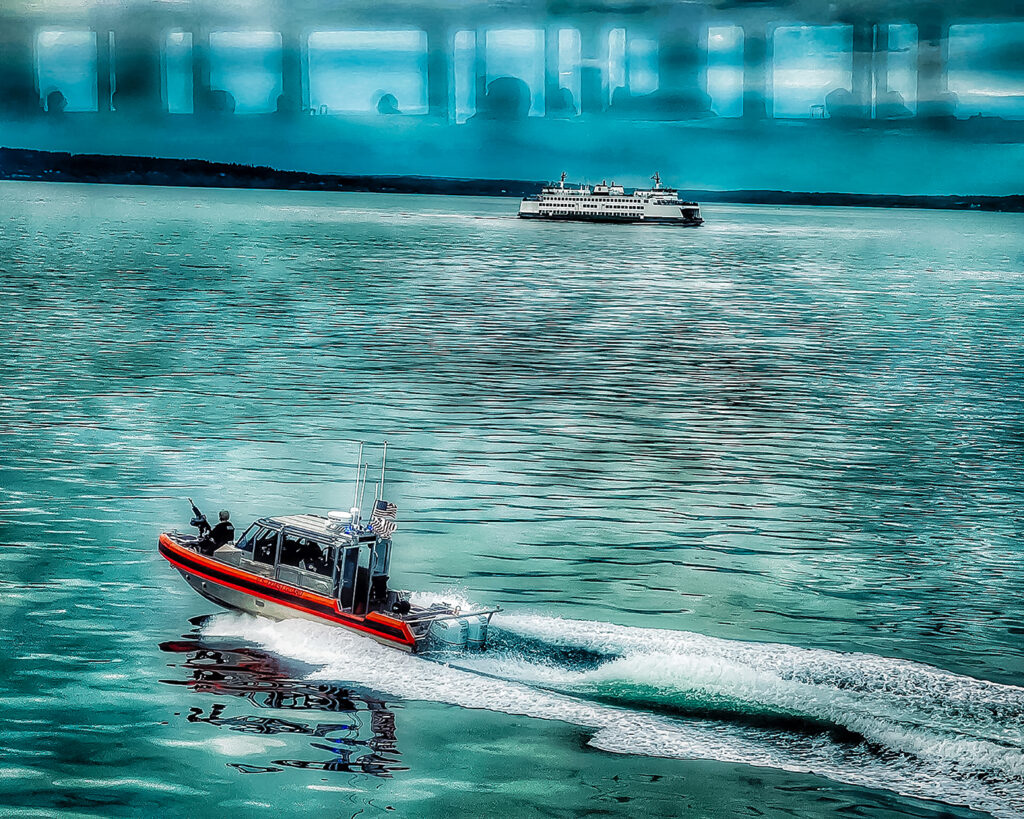
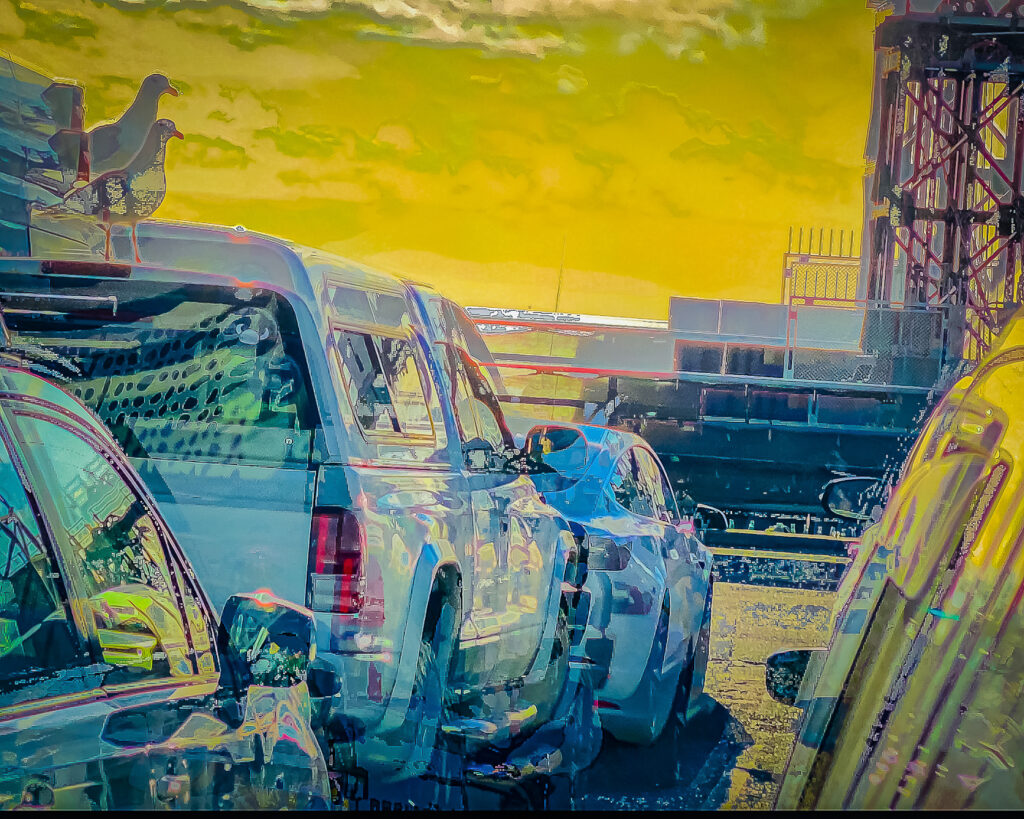
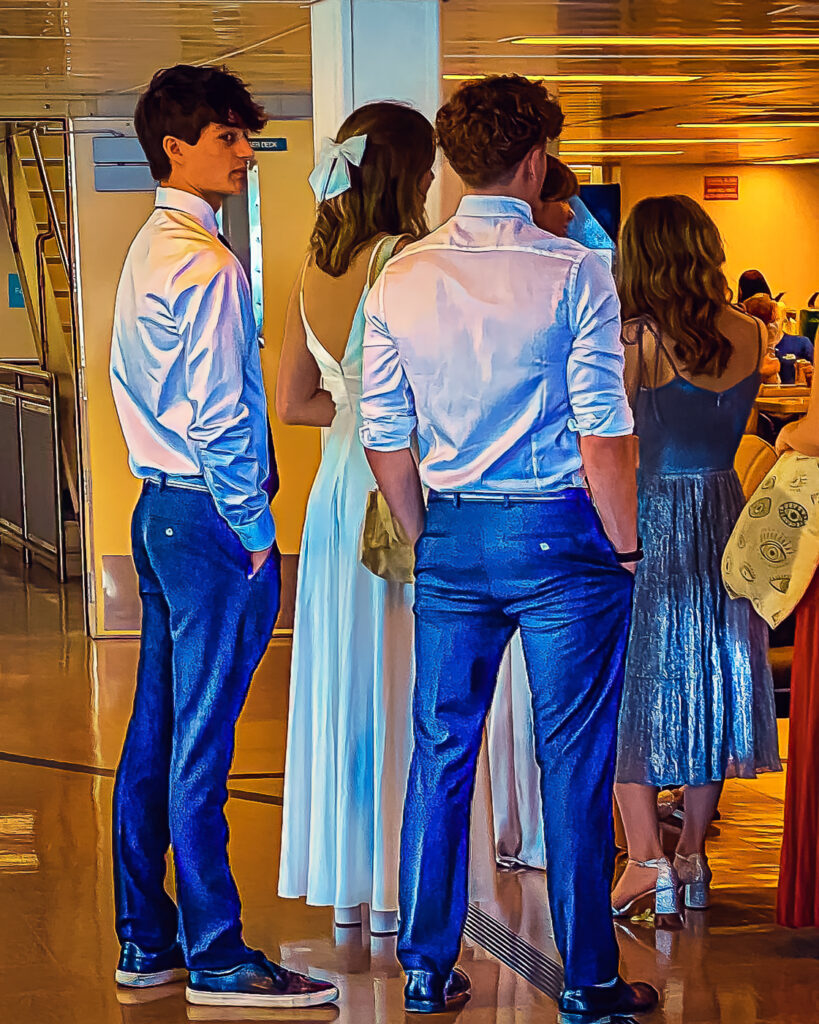
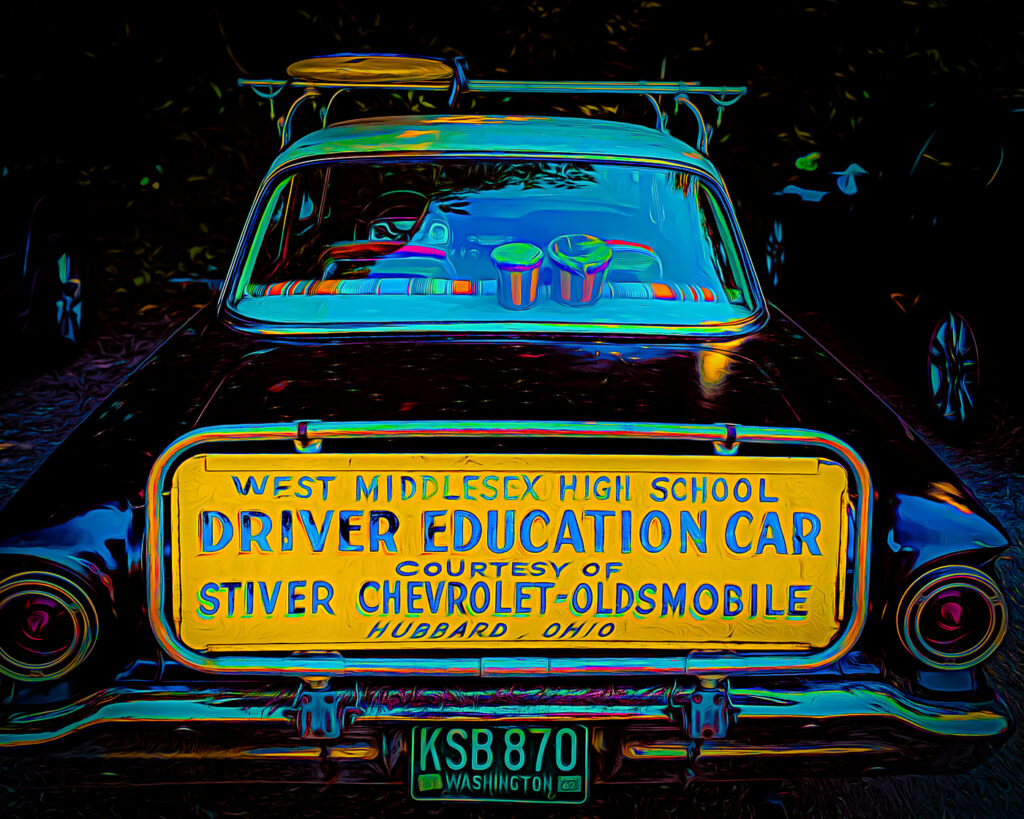
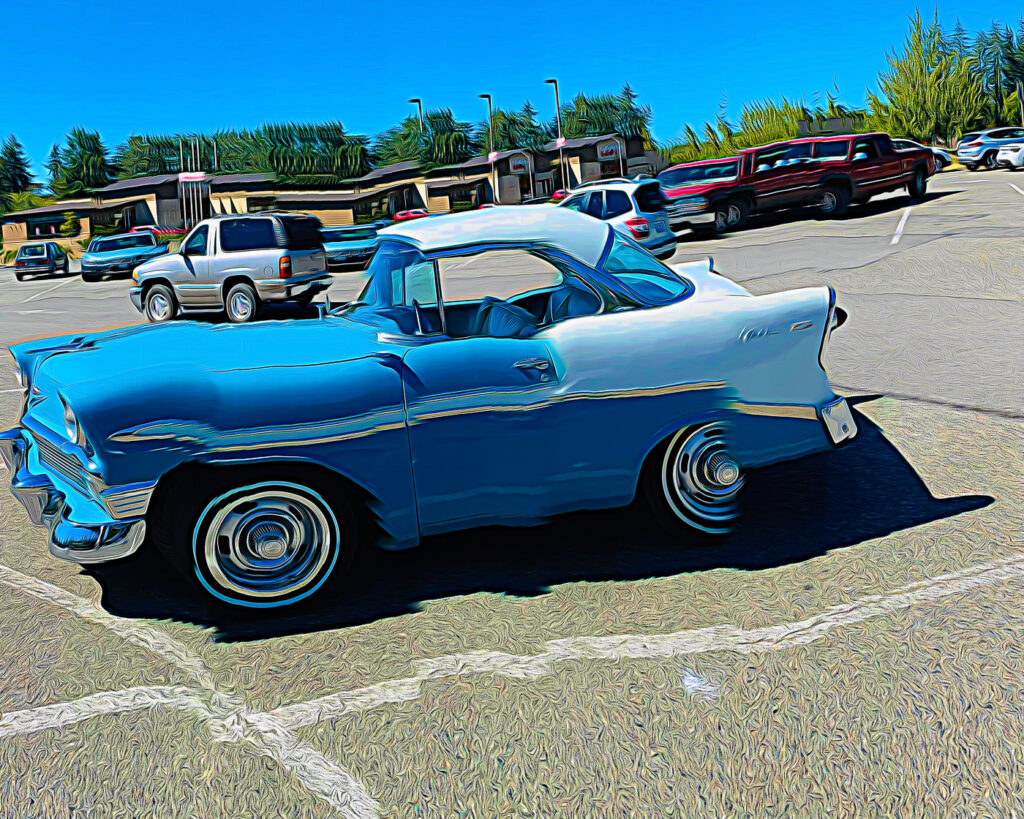
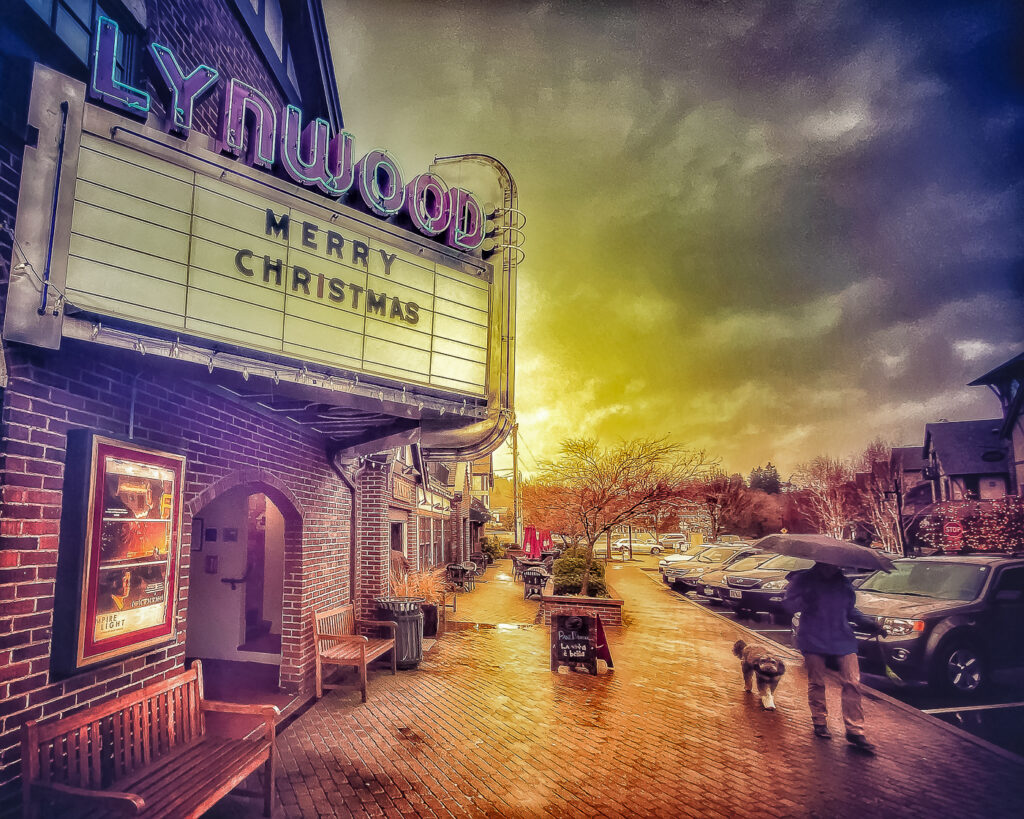
Click on the image to view all photos enlarged in a slide show. Move through the show using the right and left arrow keys.

Express Yourself: Photo Essay on Post-Impressionism and Expressionism

By Tom Hansen

The amateur camera made it possible for a broader public to capture daily life in snapshots, and in the hands of painters the door was opened to an entirely new understanding of composition, value and spatial relationships that reenergized the artists’ methods and creative vision.”

Post-Impressionism and Expressionism refers to art in which the image of reality is distorted to make it expressive of the artist’s feelings or ideas. This approach espoused manipulating negatives and prints to produce the effects of drawings, etchings, and oil paintings.

Introduction to Impressionism and Expressionism

What is the difference between Impressionism and Expressionism?

Impressionist painters were fascinated by real-world subjects and individuals, such as everyday life for common people in Paris and rural areas. Emphasis was on capturing the moment.  Expressionism emerged as a criticism of urban society and materialism, addressing feelings of anxiety and alienation.

Post-Impressionists both extended Impressionism while rejecting its limitations: the artists continued using vivid colors, a thick application of paint and real-life subject matter, but were more inclined to emphasize geometric forms, distort forms for an expressive effect and use unnatural and seemingly random colors.

Expressionism emerged in 1905 in the city of Dresden, Germany, when four students Ernst Ludwig Kirchner, Fritz Bleyl, Erich Heckel and Karl Schmidt-Rottluff who joined forces to form Die Brücke (“The Bridge”), as a reaction to Naturalism and Impressionism. Expressionists were much more interested in emotional depth and the complex effects of industrialization on the human psyche.

Abstract photography consists of images created using photography materials and equipment that do not have an immediate association with the physical world. Abstract photographers use perspective, movement and light to transform the world we see into an unexpected, often unrecognizable image.

“The advent of photography significantly changed how art was perceived and gave way to new artistic movements. These movements transformed the way we think about art. Photography had a significant impact in 19th-century society and its reception within artistic circles varied. While some welcomed photography and used it as an aid for their artistic production, others criticized this invention and refused to consider it as worthwhile for artists.

It took some time and controversy for photography to be considered a fine art form. Modernism also significantly influenced photography and its alternative representations of reality and human emotion. During the 20th century, photographers also explored experimental and abstract photography. Despite still representing reality, these types of photography explore shapes, colors, and perspectives without striving to accurately represent a given scene or object.

Process

Images are either well planned or snapshot image of an everyday event shot with an iPhone or camera then processed extensively in post using a variety of software such as Snapseed, Light Room, Photoshop, Topaz Studio, and Luminar Neo. Basically, I beat up on the image until I get something that I like and that expresses why I took the image.

About Tom Hansen

Took up photography in 2015 after retirement. Has been a member of the BI Photo Club since 2017. Likes to take pictures of people, travel, and nature. Favorite Genres are Street Photography, Dance Photography, Macro, and Travel.